LI10 (Shousanli / Arm Three Li) Acupuncture Point Guide
Practitioner Guide from The Acupuncture Supply Co.
Professional acupuncture supplies and practical clinical resources for qualified practitioners in Ireland and across Europe.
LI10, known as Shousanli (“Arm Three Li”), is located in the lateral forearm. This guide summarises the standard location, traditional functions, common combinations, anatomy and essential safety considerations.
This is a professional reference for appropriately trained practitioners. It is not a self-treatment guide and does not replace accredited anatomical and clinical training.
LI10 Shousanli quick reference
| Point name | LI10 — Shousanli (“Arm Three Li”) |
|---|---|
| Channel | Large Intestine channel |
| Classification | Local and channel point of the Hand Yangming channel |
| Region | Lateral forearm |
| Laterality | Bilateral |
| Core landmark | With the elbow flexed, 2 B-cun distal to LI11 on the line connecting LI11 and LI5. |
Location of LI10 Shousanli
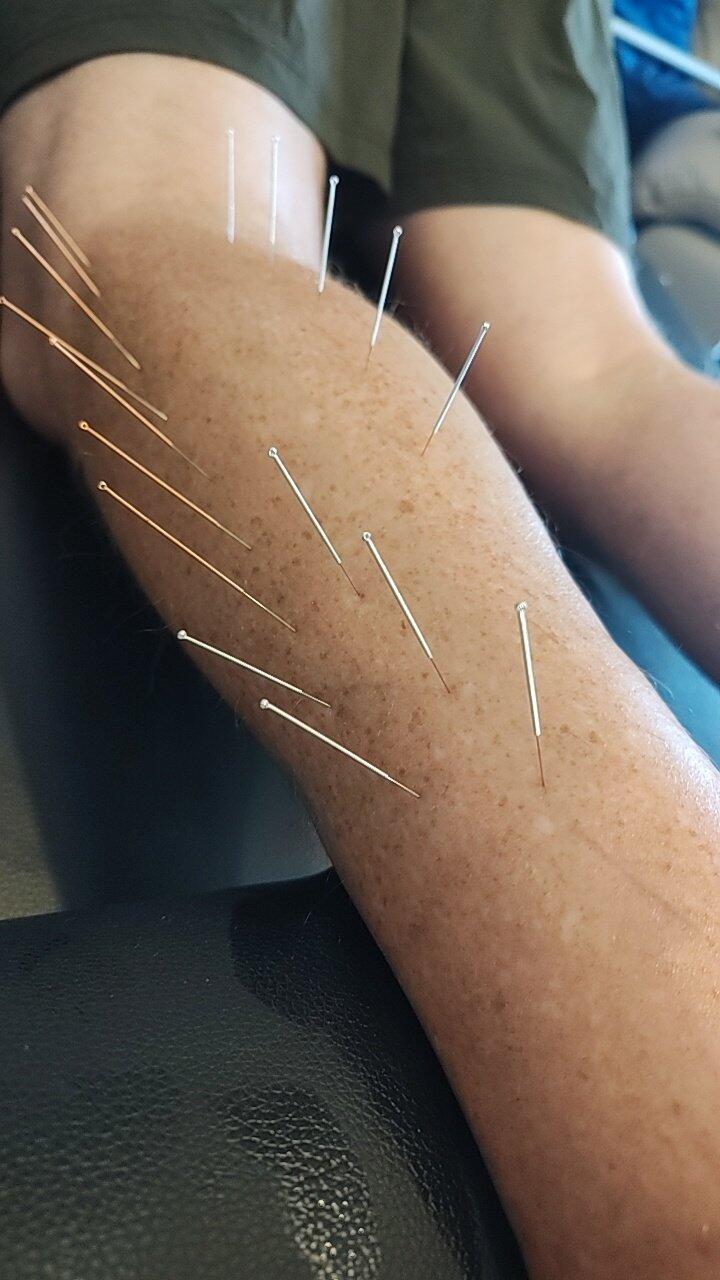
With the elbow flexed, 2 B-cun distal to LI11 on the line connecting LI11 and LI5.
Use proportional B-cun measurement together with palpation and individual anatomy. A fixed centimetre measurement is not a substitute for anatomical location.

Traditional functions of LI10
- Regulates Qi and Blood in the channel.
- Unblocks the channel and alleviates pain.
- Harmonises the Stomach and Intestines in traditional practice.
- Supports the arm where weakness or restricted movement forms part of the presentation.
These descriptions belong to traditional acupuncture theory. They are not claims that LI10 has been proven to diagnose, prevent or treat disease.
Traditional clinical applications
- Pain, weakness or restricted movement of the elbow, forearm or shoulder.
- Abdominal discomfort, vomiting or bowel disturbance within an appropriate traditional pattern.
- Facial or dental symptoms associated with the Large Intestine channel.
Point selection should follow a complete assessment, differential diagnosis, informed consent and an individualised treatment plan.
Common point combinations
- LI10 + LI11: used locally to benefit the elbow and forearm.
- LI10 + LI4: considered to regulate the Hand Yangming channel.
- LI10 + ST36: a traditional combination where support of Qi and digestive function is relevant.
These are traditional examples rather than fixed prescriptions.
Anatomy and practitioner notes
LI10 lies in the radial-side forearm muscle mass. Palpate the line between LI11 and LI5 and measure proportionally; do not substitute a fixed centimetre distance.
Needling and essential safety
Technique and depth should reflect individual forearm anatomy. Avoid aggressive manipulation near superficial sensory nerves or vessels, and avoid needling through inflamed, infected or traumatised tissue.
Use sterile, single-use needles, appropriate skin preparation and a technique suited to the patient’s anatomy, health, medicines and treatment position. Stop and reassess if unexpected sharp, electrical or strongly radiating sensation occurs.
Frequently asked questions
Where is LI10 Shousanli?
With the elbow flexed, 2 B-cun distal to LI11 on the line connecting LI11 and LI5.
What does Shousanli mean?
Shousanli is commonly translated as “Arm Three Li”. The English rendering helps explain the traditional name but does not replace the anatomical landmark.
Can patients use this guide for self-needling?
No. This resource is written for qualified practitioners and does not replace supervised anatomical and clinical training.
Continue exploring Project Lotus
Visit our Acupuncture Point Guides, or read the LI11 Quchi Guide and LI4 Hegu Guide.
Practitioners can also browse our professional acupuncture needles and the wider Practitioner Guides library.
Professional disclaimer: This article is provided for qualified acupuncture and healthcare practitioners for general educational purposes. Traditional actions and applications describe established acupuncture theory and are not claims of proven clinical efficacy. It is not medical advice, does not replace accredited training and should not be used as a universal treatment protocol. Practitioners remain responsible for assessment, consent, safe technique, infection control, record keeping, referral and compliance with professional and legal obligations.
Reference standards and safety reading:
World Health Organization. WHO Standard Acupuncture Point Locations in the Western Pacific Region.
World Health Organization. Guidelines on Basic Training and Safety in Acupuncture.
Master Tung’s Acupuncture / eLotus CORE. LI10 Shousanli reference page.