TE5 (Waiguan / Outer Pass) Acupuncture Point Guide
Practitioner Guide from The Acupuncture Supply Co.
TE5 Waiguan belongs to the Triple Energizer channel. This Project Lotus guide focuses on reliable surface landmarks, nearby-point distinctions and safe professional assessment.
Quick reference
| Point | TE5 — Waiguan |
|---|---|
| Channel | Triple Energizer — Hand Shaoyang |
| Traditional classification | Luo-Connecting; Yang Linking Vessel confluent |
| Region | Posterior forearm |
| Laterality | Bilateral |
Location and landmark sequence
Two B-cun above the dorsal wrist crease, locate the centre of the gap between the radius and ulna on the back of the forearm.
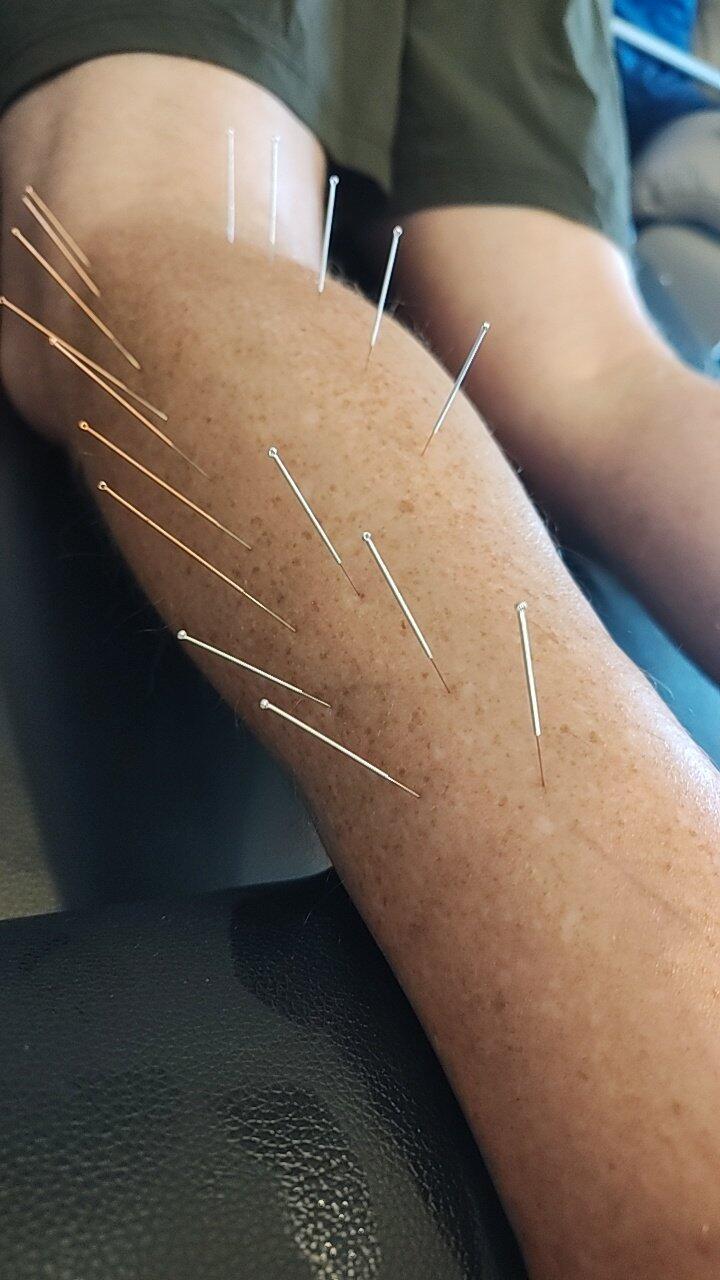
- Support the limb so the illustrated surface is accessible. Confirm the thumb or little-finger side for hand and forearm points, or the inner or outer ankle for foot points.
- Palpate the named joint, bone or tendon landmarks before estimating a position.
- Two B-cun above the dorsal wrist crease, locate the centre of the gap between the radius and ulna on the back of the forearm.
- Check the relationship to nearby points and reassess on the individual patient.
Use the patient’s proportional B-cun measurement. For these forearm locations, the wrist-to-elbow reference interval is twelve B-cun. A centimetre ruler or a universal finger-width estimate cannot replace that assessment.

Distinguishing nearby points
TE5 is dorsal; PC6 is on the palm-facing surface. TE6 is one B-cun nearer the elbow. Also called SJ5 or TB5.
Traditional context
Luo-Connecting; Yang Linking Vessel confluent is the traditional classification used here. Classification helps organise channel theory; it is not evidence that an individual point treats a particular disease. Selection depends on a complete assessment and a coherent treatment principle.
Traditional functions and applications
Within traditional East Asian medicine, this point is described in terms of exterior release; wind and heat clearing; yang wei mai opening.
Traditionally considered for selected head, ear and upper-limb channel presentations; its confluent classification relates to the Yang Linking Vessel. These are historical treatment concepts, not proven disease-specific effects of this point alone. Select points from the full assessment rather than a symptom list.
Moxibustion
Moxa is not an automatic addition. Assess the treatment principle, skin condition and sensation; use appropriate training, supervision and burn prevention if heat is considered.
Anatomy and essential safety
Forearm tendons, cutaneous nerves and vessels vary between patients. Assess the tissue rather than transferring a fixed image distance. Avoid provoking electric pain, numbness or a sharp neurological sensation.
- Inspect skin, circulation and sensation; avoid infected, ulcerated or otherwise unsuitable tissue.
- Review relevant medication, bleeding risk, pregnancy, surgery and previous reactions.
- Use sterile single-use needles, appropriate infection control and safe sharps disposal.
- Choose depth, angle and stimulation through accredited training and patient-specific anatomical assessment.
When assessment takes priority
A hot swollen limb with fever, new weakness, persistent numbness, significant trauma or an infected wound needs medical assessment. Acute chest pain, collapse or severe breathlessness requires emergency care; a traditional channel association must never delay referral.
Frequently asked questions
Can the image replace palpation?
No. Confirm each landmark on the patient. Body proportions and the visibility of tendons vary.
Does the guide give a needling depth?
No universal depth is supplied. A surface marker cannot show the safe relationship to deeper nerves, vessels or joints.
Can this be used for self-needling?
This material is for qualified practitioners and does not replace professional training.
Continue exploring Project Lotus
Explore our acupuncture point guides or browse professional acupuncture needles.
References: Joel Penner, American Dragon: traditional reference for TE5; CEIMEC point atlas: TE5; WHO Standard Acupuncture Point Locations (2009 reprint), entry TE5; NCCIH: acupuncture effectiveness and safety. Location references checked 12 October 2026. WHO landmarks take precedence where atlas descriptions differ.