Supporting Patients Who Are Anxious About Acupuncture
Project Lotus · Practitioner Guides
A patient can want help with their symptoms and still feel uneasy about acupuncture. A useful first step is to find out what worries them, explain their choices and agree how they can pause or stop. The aim is an informed decision and a manageable appointment, whether or not needling goes ahead.
Find out what the patient is worried about
Ask an open question before preparing equipment: ‘What concerns you most about having acupuncture?’ The answer may involve pain, seeing needles, a previous difficult experience or feeling unable to interrupt the practitioner. Ask whether they have ever felt faint or lost consciousness during a procedure. Needle-related faintness and panic are different experiences and need an appropriate individual response. [1]
A practical approach is to ask what has helped at previous appointments and how much explanation they would like. Some people prefer to know each step; others want a brief explanation followed by quiet. Record the preference so that they do not have to repeat it at every visit.
Explain the experience without promising comfort
Use ordinary language to describe the proposed treatment, the area involved and what the patient may notice. Sensations vary. Avoid promising that acupuncture will be painless, and make clear that unexpected or distressing sensations should be reported promptly. Discuss the relevant benefits, uncertainties, risks and alternatives for that person's situation. [2,3]
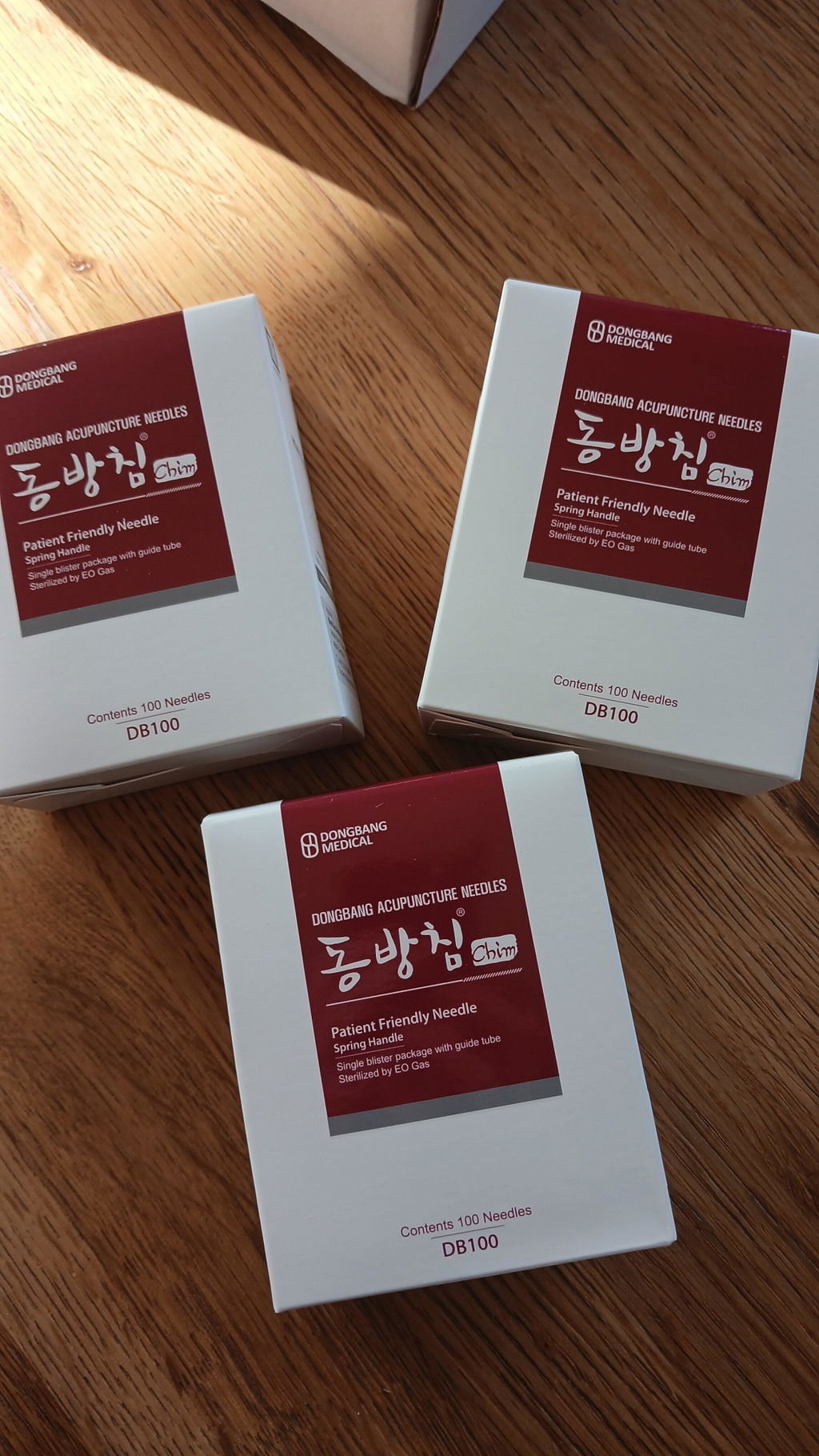
If the patient wants to see an unopened needle packet, offer that choice. Do not assume that looking at equipment is reassuring. A demonstration should be optional and should never become an unplanned exposure exercise.
Agree a way to pause
Before starting, agree a clear verbal stop signal such as ‘pause’. Explain that they should stay still and tell you, so you can respond safely. Recheck willingness before proceeding and whenever the plan changes. The HSE describes consent as an ongoing process: a signed form is only one part of documenting the discussion. [2]
Example wording: ‘We can pause at any stage. Please tell me rather than trying to move away. I will explain what I am doing, and we will only continue if you want to.’
Adapt the appointment within your competence
Allow enough time for questions and position the patient safely, taking account of any fainting history. Agree how they will get your attention throughout the session. If distress develops, stop and reassess; do not assume new symptoms are simply anxiety. Follow your clinical and emergency procedures where needed.
Severe needle phobia may make acupuncture inappropriate at that appointment. Discuss alternatives within your scope or referral for suitable support. Specialist psychological treatment may be helpful; an acupuncture appointment should not be presented as treatment for the phobia itself. [1,3]
Make the next visit easier
Before the patient leaves, ask which part felt manageable and what they would change. Note any agreed adjustment, such as a longer consultation or less commentary. At the next visit, confirm that those preferences still apply. This short conversation gives you a specific starting point instead of assuming that one completed session has removed the anxiety.
Sources and further reading
- Guy's and St Thomas' NHS Foundation Trust — Needle phobia and overcoming your fear.
- HSE — Consent policy and guidance.
- Guy's and St Thomas' NHS Foundation Trust — Acupuncture overview.
Sources checked 20 October 2026.
Continue exploring Project Lotus
For qualified practitioners. Adapt communication and care to the individual, your training and your professional requirements. The HSE source describes its consent framework; it is not a complete statement of the obligations of every independent clinic.